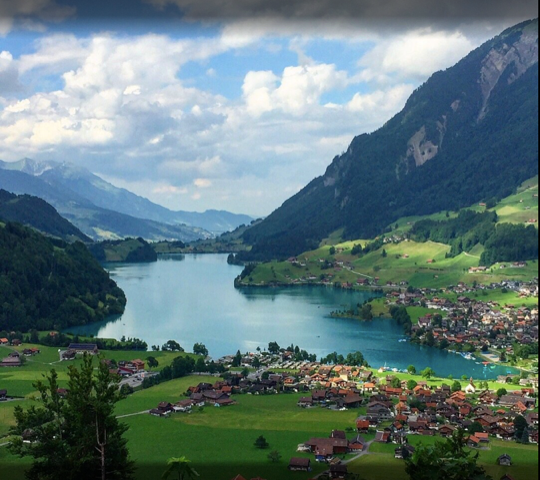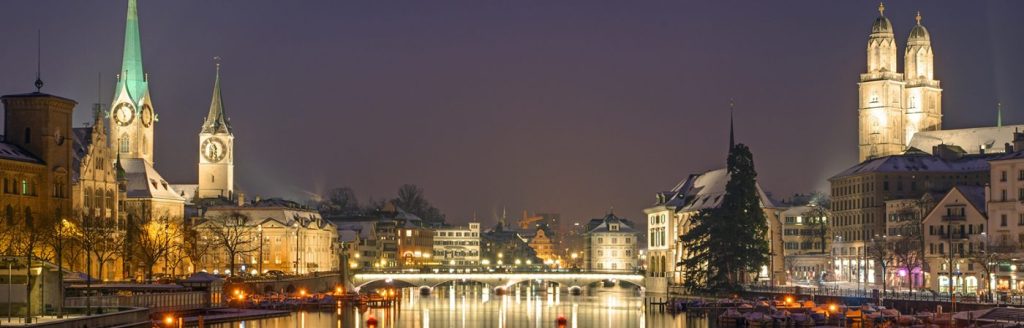
Planning a hiking adventure in Switzerland is exciting, especially with the growing trend of travellers choosing personalised and experience based outdoor holidays. Whether you are exploring the Alps with Typically Swiss Tours or setting off on your own, one of the most important steps is packing smart. Switzerland’s weather can change fast, and the right gear ensures comfort, safety and unforgettable views across mountains, lakes and charming alpine villages.
This guide explains everything you should pack for a Switzerland hiking tour across all seasons. From spring’s changing temperatures to summer sunshine, autumn colours and winter snow, you will find a complete checklist to help you prepare confidently.
Why packing correctly matters for a Switzerland hiking trip
Switzerland is famous for clean trails, breathtaking routes and postcard like landscapes. However, it is also known for quick weather shifts. You might begin your day under warm sunshine, only to meet rain, fog or cold winds a few hours later. Packing with the seasons in mind ensures you stay dry, comfortable and well prepared, no matter what the mountains bring.
In 2025, eco friendly and minimalist packing is a popular trend among hikers. Travellers prefer practical, lightweight and sustainable gear. With this in mind, the checklists below focus on essentials that help you hike comfortably without carrying unnecessary weight.
**Spring Hiking in Switzerland
What should you pack from March to May**
Spring in Switzerland can be unpredictable. Temperatures vary from cool to mild, snow may still appear at higher altitudes, and rain showers are common. Trails are beautiful, filled with melting snow, waterfalls and early greenery, but they require flexible packing.
Spring essentials
- Waterproof jacket
A breathable rain jacket is a must. Spring showers can arrive anytime. - Layered clothing
Carry a moisture wicking base layer, a fleece for warmth and a light soft shell outer layer. - Water resistant hiking boots
Snow patches and wet ground mean you need solid ankle support and waterproof protection. - Lightweight gloves and beanie
Cold winds can surprise you at higher elevations. - Hiking poles
Useful for slippery or uneven terrains during snow melt. - Small daypack with rain cover
Protects your belongings when the weather changes suddenly. - Sunscreen and sunglasses
Even in spring, UV rays are strong in the Alps. - Snacks and hydration pack
Weather can change plans, so always keep energy bars and enough water.
**Summer Hiking in Switzerland
What should you pack from June to August**
Summer is the most popular season for hiking tours, including many guided experiences with Typically Swiss Tours. Days are warm and sunny, skies are clear and alpine meadows are bright with flowers. Although the weather is pleasant, you still need the right gear for comfort and safety.
Summer essentials
- Breathable hiking shirts
Choose moisture wicking fabrics to stay cool. - Lightweight hiking shorts and trousers
Convertible trousers are ideal for temperature changes. - Sun protection hat
The higher you go, the stronger the sun becomes. - Strong sunscreen
Apply regularly during long day hikes. - Quick dry socks
Sweat and heat can cause blisters, so wear good quality socks. - Hiking boots or trail shoes
Choose footwear based on your experience and terrain. - Reusable water bottle or hydration pack
Summer heat requires consistent hydration. - Compact first aid kit
Include blister patches, bandages and basic medicines. - Light jacket for evenings
Mountain evenings cool down quickly. - Camera or phone for photos
Summer brings some of the clearest mountain views.
**Autumn Hiking in Switzerland
What should you pack from September to November**
Autumn offers golden mountains, peaceful trails and crisp fresh air. Temperatures are cooler and daylight hours shorter, so your packing should reflect the season’s mix of beauty and unpredictability.
Autumn essentials
- Warm mid layers
A fleece or insulated jacket keeps you comfortable in chilly winds. - Waterproof jacket and trousers
Autumn rains are common, so stay prepared. - Sturdy hiking boots
Trails can be damp, muddy or covered with fallen leaves. - Thermos bottle
Hot tea or coffee helps during colder breaks. - Headlamp or small flashlight
Days are shorter, so extra light is essential. - Buff or neck warmer
Protects against wind and sudden cold spells. - Gloves and warm hat
Mornings and evenings can feel winter like at altitude. - Layered clothing
Wear layers to adjust easily to shifting temperatures.
**Winter Hiking in Switzerland
What should you pack from December to February**
Winter hiking is magical, with powder covered trails and breathtaking snowy panoramas. It is also the season that requires the most careful packing. If you are joining a winter walk or snowshoe tour with Typically Swiss Tours, you will need proper winter gear to stay warm and safe.
Winter essentials
- Insulated waterproof jacket
You need strong protection from snow, wind and cold temperatures. - Thermal base layers
Warm, sweat resistant thermals keep your body temperature stable. - Waterproof snow boots or winter hiking boots
Look for good traction and insulation. - Thick wool socks
Carry an extra pair in your daypack. - Gaiters
Prevent snow from entering your boots. - Gloves, beanie and neck warmer
Essential for freezing conditions. - Microspikes or snowshoes
Depending on the trail, these improve safety and stability. - Hot water bottle or thermos
Keeps drinks warm during breaks. - Emergency blanket
Useful during unexpected delays in cold conditions.
All Season Essentials for Hiking in Switzerland
Some items remain important throughout the year, no matter which season you choose for your hiking adventure.
Universal packing checklist
- Small first aid kit
Important for managing minor injuries. - Trail map or offline GPS
Mountain signals can be unreliable. - Power bank
Cold or long hikes drain battery faster. - Reusable water bottle
Stay hydrated in all weather conditions. - Healthy snacks
Nuts, dried fruit or energy bars are ideal for alpine hiking. - Lightweight towel
Useful in case of rain, sweat or unexpected splashes. - Personal ID and Swiss travel pass
Keep documents safe and handy. - Camera or smartphone
Swiss hiking routes offer picture perfect scenery.
Packing Tips from the Latest Travel Trends in 2025
Travel habits are shifting and packing styles are also evolving. Here are the latest trends that travellers follow for Switzerland hiking tours.
Eco friendly choices
Many travellers now prefer recycled fabrics, refillable containers and sustainable materials.
Minimalist backpacks
Hikers choose lighter loads to improve comfort and reduce strain.
Smart clothing
Moisture wicking shirts, temperature regulating jackets and quick dry fabrics are more popular than ever.
Digital navigation tools
Offline maps and hiking apps help with route planning when walking the Alps.
Travel insurance essentials
Adventurers often carry digital copies of insurance documents for extra security.
How Typically Swiss Tours enhances your hiking experience
Packing correctly is just the first step. When you explore Switzerland with Typically Swiss Tours, the experience becomes even more memorable. The company focuses on personalised travel, comfort and safety, offering guided hikes tailored to your skills, interests and the season you choose.
From helping you understand weather patterns to recommending ideal gear and creating custom itineraries, Typically Swiss Tours ensures your hiking adventure in Switzerland is smooth, enjoyable and unforgettable.
Frequently Asked Questions
1. What is the ideal backpack size for a Switzerland hiking tour
A 20 to 30 litre backpack is perfect for day hikes. It fits essentials without feeling heavy.
2. Do I need hiking poles for all seasons
They are especially useful in spring and winter but can help improve stability in any season.
3. Can I drink water from streams
Many mountain streams are clean, but it is safer to carry your own water or use a filter bottle.
4. What clothing is best for unpredictable weather
Layered clothing works best. You can remove or add layers depending on temperature changes.
5. Should I carry cash on hiking routes
Some remote areas may not have card machines, so keep a small amount of cash.
6. Are hiking trails safe for beginners
Yes, Switzerland offers trails for all levels. Guided tours with Typically Swiss Tours are great for beginners.
7. What shoes should I wear for summer hikes
Lightweight trail shoes work well for easy routes, while tougher hikes require sturdy hiking boots.